
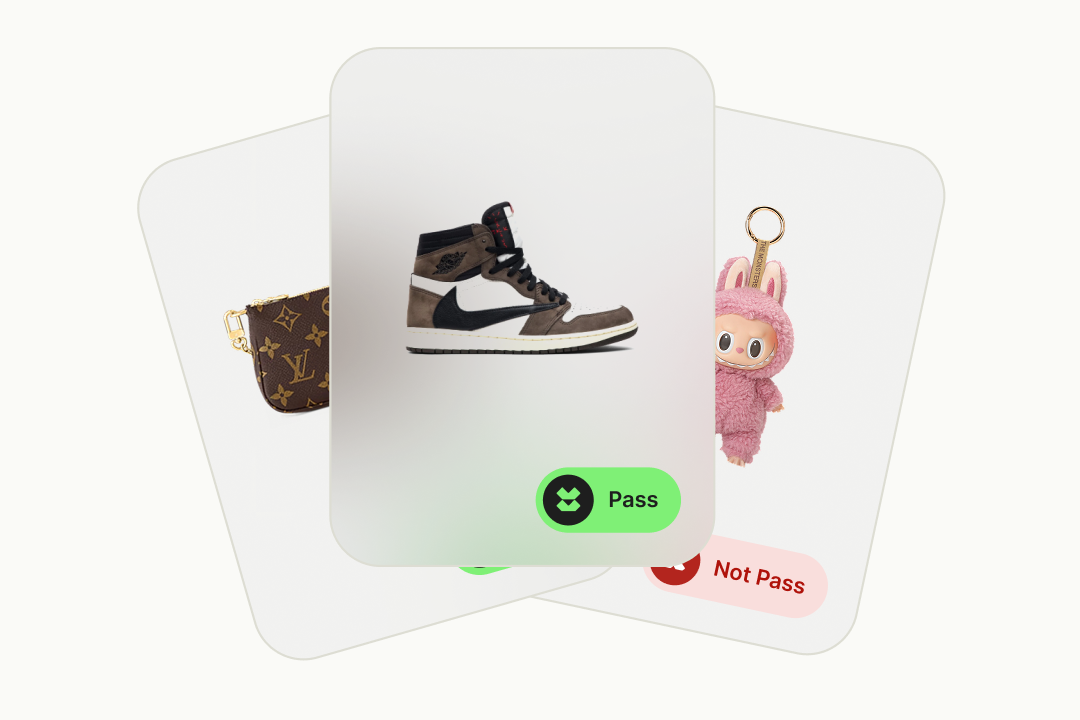
The resale market has never been bigger. Platforms like StockX, GOAT, Grailed, eBay, Depop, and TikTok Shop have made it easier than ever to buy and sell sneakers, designer handbags, watches, and luxury goods from anywhere in the world. But with that growth has come an uncomfortable reality: counterfeits are everywhere, they're getting better, and the average buyer cannot tell the difference.
If you've ever purchased a resale item without verifying its authenticity, you've been gambling - possibly without even knowing it.
The Counterfeit Problem Is Bigger Than You Think
The global counterfeit goods market is worth over $500 billion annually, and luxury goods and sneakers are among the most counterfeited categories on the planet. Modern "superfake" replicas of items like Louis Vuitton bags, Yeezy sneakers, and Rolex watches are manufactured with such precision that even experienced collectors get fooled. Stitching, hardware weight, font kerning on labels, every detail is replicated with alarming accuracy.
Buying a fake can be a financial loss along with other consequences. For resellers, it can mean getting banned from platforms, losing a customer's trust, or facing a chargeback dispute that wipes out your margin. For collectors, it means owning something that holds zero value in the secondary market.
Why "Doing Your Own Research" Isn't Enough
YouTube videos and Reddit threads can teach you some basics, but self-authentication has serious limits:
- Photos can be staged or edited to hide flaws
- Sellers know exactly what buyers look for and fake those details first
- Without hands-on experience across hundreds of items, pattern recognition takes years to develop
- Counterfeits evolve constantly, what worked as a tell six months ago may no longer apply
The only reliable protection is having a trained expert, or better yet, two, to verify the item before money changes hands.
What Professional Authentication Actually Looks Like
Professional authenticators don't just glance at a product and make a call. They examine construction quality, stitching consistency, hardware weight and finish, font accuracy on labels and tags, serial number formats, material texture, sole composition on sneakers, and more. For high-value items, this process can involve dozens of individual checkpoints.
At CheckCheck, every item is reviewed by two independent experts not one. Both must agree before a PASS verdict is issued. This dual-authentication model exists because even experienced authenticators can have blind spots, and a second set of eyes catches what the first might miss. The result is a Certificate of Authenticity (COA) that documents the verdict and can be shared with buyers for full transparency.
Authentication Protects Both Sides of the Transaction
One of the most overlooked benefits of authentication is that it protects sellers just as much as buyers. A seller who provides a verified COA with their listing is communicating confidence in their product. That builds trust, reduces negotiation friction, and justifies asking price. In competitive resale markets where ten people are selling the same sneaker, authentication is one of the fastest ways to differentiate your listing and close the sale.
For buyers, a COA means you're not relying on a stranger's word. You're relying on trained professionals who have staked their reputation on every verdict they issue.
The Cost of Skipping Authentication
Say you're buying a pair of Off-White x Nike Jordan 1s for $800 on a peer-to-peer marketplace. The seller has good feedback, the photos look clean, and they insist the item is real. You skip authentication to save $10–$15 and complete the purchase.
Three months later, you try to resell them. CheckCheck’s authentication team flags them as fake. You're out $800, you can't get a refund, and you've potentially passed counterfeit goods to someone else in the process.
That $10–$15 authentication check would have changed everything.
The Bottom Line
Authentication is basic due diligence in the modern resale market. It doesn’t matter if you're buying a $200 pair of sneakers or a $3,000 designer bag, the question isn't whether you can afford to authenticate. It's whether you can afford not to.
CheckCheck offers expert dual authentication starting at just $6, with results in as little as 5 minutes. Before your next resale purchase, make sure you know exactly what you're getting.
Ready to authenticate your next item? Download the CheckCheck app and start your first check today.