
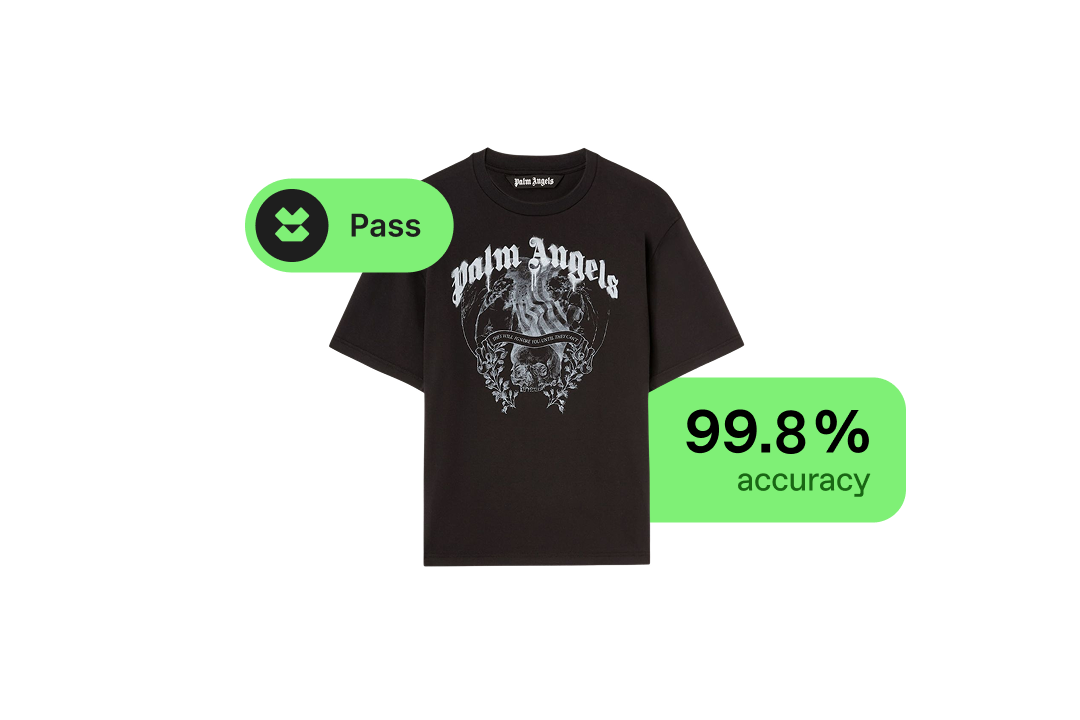
How Resellers Can Use Digital COAs To Strengthen Product Listings
In resale, a strong product listing does more than show the item. It builds trust.
Whether you sell pre-owned luxury, sneakers, streetwear, collectibles, eyewear, jewelry, apparel, or accessories, buyers want to feel confident before they purchase. They want clear photos, accurate condition details, fair pricing, and proof that the item is authentic.
That is where a digital COA can make a major difference.
A digital COA, or digital Certificate of Authenticity, gives buyers a clear verification record connected to the item. For resellers, it can help strengthen product listings, reduce buyer hesitation, and create a more professional resale experience.
Instead of only saying an item is authentic, sellers can support the claim with a digital authentication record.
What Is a Digital COA?
A digital COA is an online Certificate of Authenticity that verifies an item has gone through an authentication process. Unlike a paper certificate, a digital COA can usually be accessed through a link, reference ID, or verification page.
A digital COA may include details such as:
- Authentication result
- Product category
- Brand or item details
- Reference ID
- Verification link
- Date or record information
- Authentication provider
For online resale, this is valuable because buyers and sellers are often not meeting in person. The digital COA acts as a trust signal that can be shared, verified, and referenced throughout the transaction.
Buyers and sellers can use CheckCheck’s COA verification page to validate a CheckCheck Certificate of Authenticity.
Why Product Listings Need More Than Good Photos
Good photos are important, but photos alone may not be enough to close the sale.
A buyer may like the item and still hesitate because they are unsure about authenticity. This is especially true for high-value categories like designer handbags, limited sneakers, luxury accessories, watches, jewelry, collectibles, and streetwear.
Even detailed listings can leave buyers asking:
- Is this real?
- Has this been authenticated?
- Who verified it?
- Can I see proof?
- What happens if it turns out to be fake?
- Can I trust this seller?
A digital COA helps answer those questions inside the listing or during buyer communication. It gives buyers something more concrete than a seller’s claim.
For resellers, that can reduce friction and make listings feel more trustworthy.
How Digital COAs Build Buyer Trust
Buyer trust is one of the biggest factors in resale conversion.
When a buyer is purchasing from a reseller they do not know personally, they need confidence in both the seller and the product. A digital COA helps create that confidence by showing that the item has been reviewed through an authentication process.
For buyers, a digital COA can provide:
- More confidence before purchase
- A verification record after purchase
- A way to confirm the authentication result
- More comfort buying from unfamiliar sellers
- Documentation that may support future resale
For sellers, this trust signal can help listings stand out in competitive resale categories.
When two similar items are listed at similar prices, the one with authentication may feel safer to the buyer.
Digital COAs Help Reduce Buyer Questions
Authenticity questions take time.
Resellers often receive messages like:
- “Is this authentic?”
- “Do you have proof?”
- “Can you send a certificate?”
- “Where did you get this?”
- “Can you guarantee it is real?”
These questions are normal, especially in luxury and sneaker resale. But for high-volume resellers, answering the same questions repeatedly can slow down the sales process.
A digital COA helps reduce repetitive communication because the proof is easier to share.
Instead of writing a long explanation every time, sellers can include authentication details in the listing, send the COA link, or direct buyers to the verification page.
That creates a smoother experience for both sides.
Digital COAs Make Listings Look More Professional
Presentation matters in resale.
A listing with clear photos, accurate details, condition notes, and a digital COA looks more professional than a listing with only basic product information.
For resellers building a long-term business, this matters. Buyers are more likely to trust sellers who appear organized, transparent, and serious about authenticity.
A strong listing should include:
- Clear product title
- Brand and model details
- Accurate condition description
- Multiple detailed photos
- Included accessories
- Authentication status
- Digital COA or verification details when available
- Transparent return or sales policy
Adding a digital COA helps turn the listing from a simple product post into a more trustworthy sales page.
Why Digital COAs Matter for Pre-Owned Luxury
Pre-owned luxury buyers are especially cautious because authenticity directly affects value.
A designer bag, wallet, jewelry piece, watch, eyewear, or luxury accessory may cost hundreds or thousands of dollars. Buyers want to know that the item has been reviewed before they commit.
A digital COA can help support pre-owned luxury listings by giving buyers a clearer authentication record.
For sellers, this can help reduce doubt around high-value purchases. It also helps position the item as verified, documented, and easier to trust.
Resellers selling pre-owned luxury can use CheckCheck for Business to support authentication workflows across higher-volume inventory.
Why Digital COAs Matter for Sneakers, Streetwear, and Collectibles
Digital COAs are not only useful for luxury goods.
Sneaker buyers often want proof before paying resale prices for rare or limited pairs. Streetwear buyers may need confidence when purchasing hyped releases, collaborations, or older pieces. Collectibles buyers may want extra verification before buying items that are commonly counterfeited.
For multi-category resellers, digital COAs can help create a consistent trust signal across different product types.
Instead of changing the trust process for every category, sellers can make authentication part of the listing workflow.
Sellers can review CheckCheck’s supported authentication categories to see what products CheckCheck can help authenticate.
How Resellers Can Add COA Details to Listings
A digital COA is most useful when buyers can easily find it.
Resellers should make authentication visible in the product listing instead of waiting for buyers to ask. This can be done in the title, description, product images, or seller notes depending on the platform.
For example, sellers can include phrases like:
- “Authenticated with digital COA”
- “Includes digital Certificate of Authenticity”
- “CheckCheck authenticated”
- “COA available for verification”
- “Authentication result available upon request”
In the product description, sellers can also explain that the item has been authenticated and that buyers can verify the COA through the provided link or reference.
The goal is to make proof easy to understand without overwhelming the buyer.
Digital COAs Can Support Multi-Platform Selling
Many resellers sell across more than one platform.
A seller may list inventory on TikTok Shop, Whatnot, Instagram, Shopify, eBay, in-store, and private client channels. Without a consistent authentication record, it can become difficult to manage proof across every listing.
A digital COA makes authentication easier to carry across platforms.
Instead of relying on screenshots, printed documents, or repeated explanations, sellers can use one digital record connected to the item. This helps create a more consistent buyer experience across different sales channels.
For resellers managing higher volume, this can save time and improve organization.
Digital COAs Can Help Protect Seller Reputation
A reseller’s reputation is one of their most valuable assets.
Authenticity concerns can lead to disputes, returns, chargebacks, bad reviews, and lost customers. Even one issue can create long-term damage if buyers lose confidence in the seller.
Digital COAs help sellers protect their reputation by creating documentation before the issue happens.
Instead of waiting for a buyer to question authenticity, resellers can show that authentication was already part of the selling process.
This demonstrates professionalism and helps buyers understand that the seller takes authenticity seriously.
For more resale education, sellers can explore the CheckCheck Blog.
Why Resellers Should Authenticate Before Listing
The best time to authenticate is before the item goes live.
When authentication happens before listing, the seller can use the result to strengthen the product page from the start. This helps prevent delays, reduces buyer questions, and makes the listing more credible.
Pre-listing authentication can help sellers:
- Create stronger listings
- Reduce buyer hesitation
- Avoid selling risky inventory
- Prepare for live selling
- Support customer service
- Build a more trusted brand
For high-volume resellers, authentication should be part of the workflow, not a last-minute step.
How CheckCheck Helps Resellers Use Digital COAs
CheckCheck helps resellers authenticate products online and provide digital Certificates of Authenticity for eligible items.
For buyers, CheckCheck helps create more confidence before or after purchase.
For sellers, CheckCheck helps strengthen listings, reduce authenticity questions, and support a more professional resale experience.
For businesses, CheckCheck for Business supports higher-volume authentication needs with dual-expert human authentication, 24/7 availability, fast turnaround times, scalable pricing, broad category coverage, business dashboard support, and no external hardware required.
Resellers can also review CheckCheck authentication pricing to find the right option for their volume and workflow.
Final Thoughts
A digital COA is more than a certificate. It is a trust signal.
For resellers, digital COAs can help product listings look more credible, answer buyer questions faster, support higher-value transactions, and protect seller reputation.
In a competitive resale market, buyers are not only comparing products. They are comparing trust.
By adding authentication and digital COAs into the listing workflow, resellers can create a better buying experience and sell with more confidence.
Ready to strengthen your resale listings? Use CheckCheck for Business to authenticate inventory and provide buyers with digital COAs they can trust.
FAQ
What is a digital COA?
A digital COA is an online Certificate of Authenticity that provides a verification record for an authenticated item. It may include an authentication result, reference ID, product details, and a verification link.
Why do resellers need digital COAs?
Resellers use digital COAs to build buyer trust, strengthen product listings, reduce authenticity questions, and provide documentation connected to the item.
Can a digital COA help a listing sell faster?
A digital COA can help reduce buyer hesitation and make a listing more trustworthy. While sales depend on demand, price, condition, and platform, authentication can improve buyer confidence.
Is a digital COA better than a paper certificate?
For online resale, a digital COA is often easier to access, share, and verify than a paper certificate. It can also be connected to listings, buyer messages, and resale records.
Should resellers authenticate before listing?
Yes. Authenticating before listing allows sellers to include authentication details in the product page from the start, helping build trust before buyers ask.
Does CheckCheck provide digital COAs?
Yes. CheckCheck provides digital Certificates of Authenticity for eligible authenticated items and allows buyers and sellers to verify COAs through CheckCheck’s COA verification page.